Buying, Storing and Serving wine
Here at vintagewineandport.co.uk we want to help you get the most out of your vintage wine, here are our tips.
Storing Wine (Cellaring)
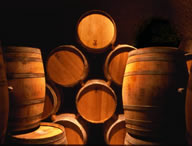 Most of the wine we sell is ready for drinking now. However, if you wish to keep it longer-term then the wine should be stored properly to be in good condition when it is served. Very few of us own a Chateau with a damp, dark, cool cellar, but we can try to recreate these conditions. Firstly, try and keep the wine cool and avoid sudden swings in temperature (i.e. avoid sunlight). The ideal temperature for red Bordeaux is about 13 degrees C, which will ensure that the wine will age very slowly. Cooler (but not freezing) is fine but the upper temperature should not go too far above 18 degrees C. Secondly, do try and keep the wine in a dark, humid area. Ideal storage conditions are between 50% - 80% humidity. Below 50% and the corks will dry out causing the wine to age prematurely. Above 80% is fine but the excessive damp tends to make the labels go mouldy (which is actually a sign of good cellaring!). Unfortunately, modern central heating and glazing tends to ensure that homes are dry and warm. If you do not have your own cellar, then keep the wine in an area that is cool dark and does not suffer from temperature extremes.
All of our wines are stored under ideal conditions at 13 degrees C and at a humidity of 65-75%.
Serving Wine
 The process of serving a wine is important to get the most from your purchase. If not served correctly, poor service could easily result in spoiling the characteristics of a wine. If you are interested in learning the best ways to serve wines, then consider the following few simple tips will increase your enjoyment.
Opening older bottles is not as easier as one would anticipate. Corks tend to soften for wines that have been stored well with the liquid in contact with the cork for many years. Simply attacking the cork with a conventional screw thread opener often results in the cork crumbling. If this happens strain the wine through a filter such as a coffee filter or muslin cloth into a decanter. This will remove the cork pieces without affecting the quality of the wine. Our recommendation is to use a Butlers friend which is a two pronged opener. The prongs go down the side of the cork and the cork can be twisted out. Techniques such as the use of port tongs which safely remove the neck of the bottle are particularly effective for older ports and also provide a party centerpiece.
Mature wines such as Bordeaux and all Vintage Port will have sediment (this is a sign that the wine has matured well). However, when it is delivered to you the sediment will be shaken up and held in suspension if served straight away the wine will taste bitter and your enjoyment will be diminished. Do allow the wine to stand for a few days to allow the particles to fall to the bottom. The wines should be decanted (in a clean decanter) prior to serving to remove the sediment. There is a lot of conjecture about how long the decanted wine should be left standing prior to serving. We would recommend that the wines are opened and decanted approximately 1-2hours prior to serving and about 4 hours for Vintage Port. Very old vintages should be served soon after opening as the wines have already matured and once opened, it will start to fade and lose its fruity aromas. Once lost these cannot be recovered so it is better to err on the side of caution. Your guests can always enjoy swilling it around in the glass if it needs time to develop!