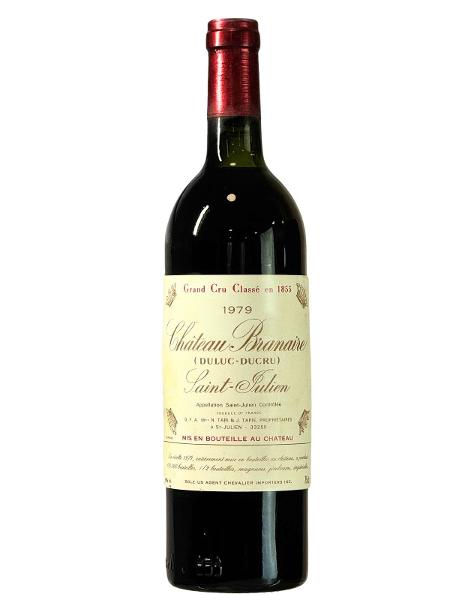
Chateau Branaire-Ducru, 1979 Red Wine
St Julien, 4th Growth Classification
Bottle size: 75cl
ABV: 13%
Price:
£119.00
Why buy from Vintage Wine & Port?
- Free UK standard delivery over £100
- Free tasting notes & personalised gift message
- 6-month bottle replacement guarantee
- IWC Fortified Wine Retailer of the Year
- Trusted Shops 5-star service (4,000+ reviews)
- Stock held in our UK cellars for fast dispatch
Description
Vintage & Background
The 1979 vintage in Bordeaux was moderate rather than outstanding, producing wines that leaned toward elegance and early accessibility rather than power. In Saint-Julien, Château Branaire-Ducru (often historically referred to as Ducru-Branaire) crafted a wine that reflects the estate’s hallmark finesse and balance. Known for its refined, Cabernet Sauvignon-led style, Branaire-Ducru in 1979 offers a classic, fully mature claret that emphasises subtlety, harmony, and tertiary complexity over sheer concentration.
Appearance & Nose
The colour has evolved to a soft garnet with pronounced brick at the rim, indicative of full maturity. The nose is delicate yet complex, opening with aromas of redcurrant, dried cherry, and plum, followed by notes of cedar, old leather, and tobacco leaf. Secondary nuances of forest floor, dried herbs, and a touch of spice emerge with aeration, giving the wine an appealingly savoury and earthy profile.
Palate & Texture
On the palate, the wine is light to medium-bodied, with softened red fruit flavours—redcurrant and dried cherry—interwoven with notes of cedar, leather, and gentle spice. The tannins are fully resolved, lending a smooth, supple texture, while the acidity provides enough lift to keep the wine fresh and balanced. The finish is moderate in length, tapering into savoury, earthy tones with a hint of dried herbs.
Maturity & Drinking Window
This wine is fully mature and should be enjoyed now. While well-stored bottles can still offer pleasure, it is past its peak in terms of primary fruit and is best appreciated for its tertiary character and gentle structure. Extended cellaring is not recommended.
Food Pairing & Serving Suggestions
Serve at around 16–17 °C and decant carefully to remove sediment. Best paired with lighter, savoury dishes such as roast chicken, veal, or mushroom-based preparations. Its subtle profile also complements simple charcuterie or mild, semi-hard cheeses.
Condition
Good level and label


You might also be interested in:
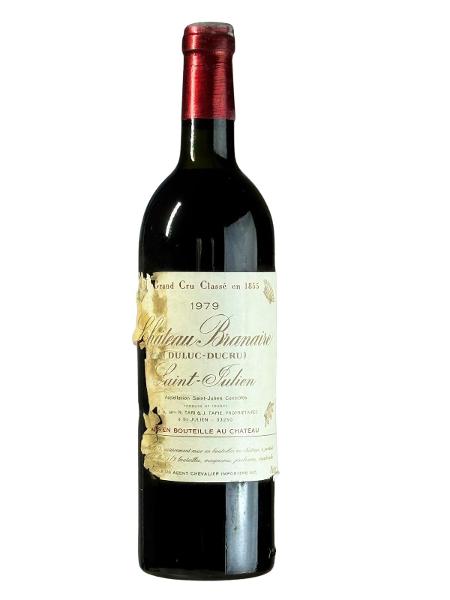
Chateau Branaire-Ducru, 1979
St Julien, 4th Growth Classification
Vintage & Background
The 1979 vintage in Bordeaux was moderate rather than outstanding, producing …
£105.00

Chateau Cos Labory, 1979
St Estephe 5th Growth Classification
Magnum Bottle
Château Cos Labory, a fifth-growth estate in Bordeaux's Saint-Estèphe appellation, has a history of …
£129.00
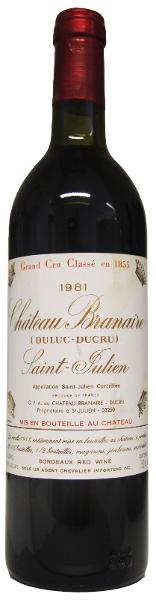
Chateau Branaire-Ducru, 1981
St Julien, 4th Growth Classification
The 1981 Branaire is quite forward, precociously supple, and fruity. The bouquet is showing expansive, …
£99.00
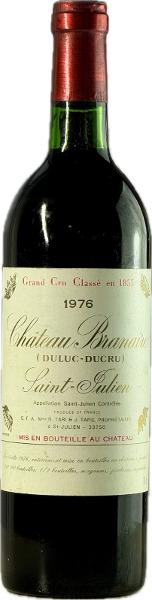
Chateau Branaire-Ducru, 1976
St Julien, 4th Growth Classification
The 1976 Château Branaire-Ducru is a fascinating example of a Bordeaux wine from a year marked by extreme weather conditions. …
£149.00