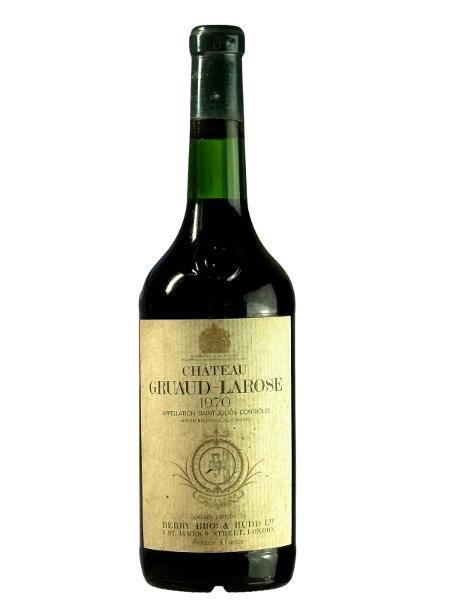
Chateau Gruaud Larose, 1970 Red Wine
St Julien 2nd Growth Classification
Bottle size: 75cl
Price:
£89.95
Why buy from Vintage Wine & Port?
- Free UK standard delivery over £100
- Free tasting notes & personalised gift message
- 6-month bottle replacement guarantee
- IWC Fortified Wine Retailer of the Year
- Trusted Shops 5-star service (4,000+ reviews)
- Stock held in our UK cellars for fast dispatch
Description
Vintage & Background
The 1970 vintage in Bordeaux is widely regarded as one of the great post-war years, producing structured, long-lived wines with classic character. In Saint-Julien, Château Gruaud Larose crafted a wine that reflects both the power of the vintage and the estate’s traditional, robust style. Known for its high proportion of Cabernet Sauvignon and its ability to age gracefully, Gruaud Larose in 1970 has developed into a compelling example of mature Left Bank claret, offering both depth and refinement after decades in bottle.
Appearance & Nose
The wine shows a deep garnet core fading to brick at the rim, clear evidence of its maturity. The nose is complex and expressive, opening with notes of blackcurrant, dried plum, and cassis, evolving into layers of cedar, cigar box, and old leather. Subtle hints of forest floor, truffle, and dried herbs add further complexity, alongside a touch of spice and earthy minerality that speaks to its Saint-Julien origins.
Palate & Texture
On the palate, the 1970 Gruaud Larose is structured yet harmonious. Flavours of mature dark fruits—blackcurrant and plum—are complemented by notes of tobacco, cedar, and earthy spice. The tannins, once firm and powerful, have softened into a fine, integrated framework, giving the wine a velvety yet still gently grippy texture. Acidity remains sufficient to carry the wine, leading to a long, savoury finish with lingering notes of leather, dried herbs, and graphite.
Maturity & Drinking Window
Now fully mature, this wine is at or near its peak, offering a complete expression of aged Bordeaux. While well-stored bottles can still provide pleasure, it is best enjoyed in the near term to fully appreciate its balance of fruit, tertiary complexity, and softened structure.
Food Pairing & Serving Suggestions
Serve at around 16–18 °C and decant gently to remove any sediment. Ideal pairings include roast lamb, beef Wellington, game dishes, or mushroom-based preparations that echo the wine’s earthy nuances. Hard cheeses such as Comté or aged Cheddar also complement its savoury depth.
Condition
Level- High Shoulder or better
Cellar-soiled labels

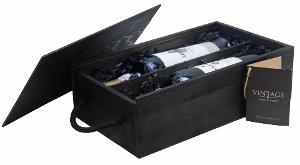
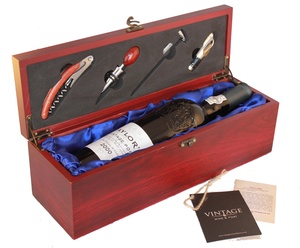
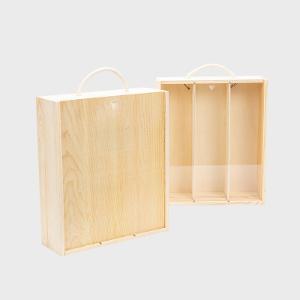
You might also be interested in:
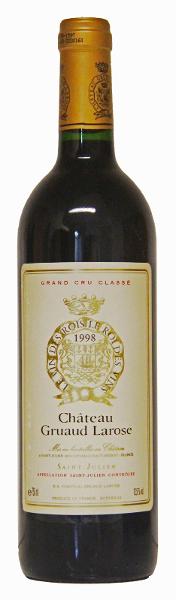
Chateau Gruaud Larose, 1998
Saint-Julien, Bordeaux
The 1998 Gruaud Larose appears to be a potential sleeper of the vintage, and may merit an outstanding score. …
£119.00
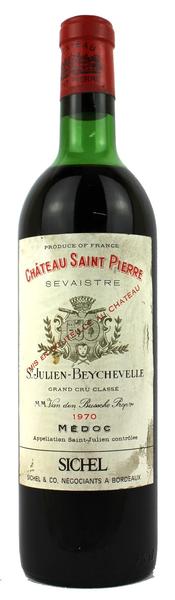
Chateau Saint Pierre, 1970
Saint Julien
Surprisingly good, and filled with truffles, spice, cigar box, earth, black currants and cherry, the wine offers the silky, …
£89.95
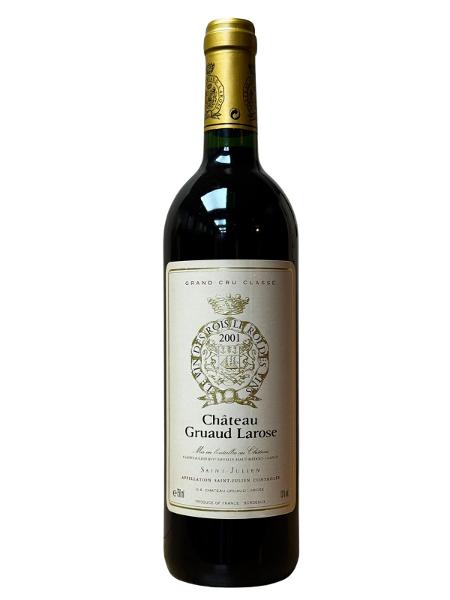
Chateau Gruaud Larose, 2001
Saint-Julien, Bordeaux
Château Gruaud Larose 2001, Saint-Julien
From one of Bordeaux’s most historic and characterful estates, …
£119.00
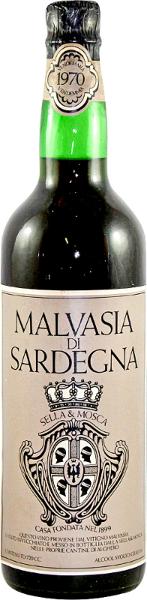
Malvasia, 1970
di Sardegna, Sella & Mosca, Sardinia
Malvasia di Sardegna is produced in Sardinia in Italy and has more discharged colors. The nose is more …
£89.00