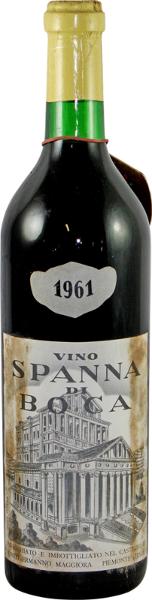
Spanna, 1961 Red Wine
di Boca, Castello di Conti Ermanno
Bottle size: 75cl
ABV: 13%
Price:
£99.00
Why buy from Vintage Wine & Port?
- Free UK standard delivery over £100
- Free tasting notes & personalised gift message
- 6-month bottle replacement guarantee
- IWC Fortified Wine Retailer of the Year
- Trusted Shops 5-star service (4,000+ reviews)
- Stock held in our UK cellars for fast dispatch
Description
The Spanna di Boca 1961 Castello di Conti Ermanno is a very rare and historic wine from Alto Piemonte, Italy. “Spanna” is the traditional local name for Nebbiolo in the Gattinara/Ghemme area, and wines from this period represent a classic, old-school expression of northern Piedmontese winemaking—often more linear, earthy, and high-acid compared to Barolo and Barbaresco.
Tasting Notes:
The 1961 vintage is fully mature and deeply tertiary. The nose shows classic aged Nebbiolo aromas of dried rose petals, sour cherry, leather, tobacco, forest floor, dried herbs, and earthy truffle notes. With time in the glass, subtle hints of balsamic, tea leaf, and old cedarwood may appear.
On the palate it is elegant, delicate, and very evolved, with softened tannins and still-present but integrated acidity—typical of Alto Piemonte wines, which often age with a lighter, more linear profile than southern Nebbiolo styles. The fruit has fully transitioned into dried red berry and savory earthy notes, leading to a long, subtle, and refined finish.
Serving & Food Pairing:
Best served at 18°C. Due to its age, careful handling is essential, with gentle pouring recommended to avoid sediment disturbance.
It pairs well with:
braised meats
game dishes
mushroom risotto
truffle-based dishes
aged cheeses
Producer:
Castello di Conti Ermanno is a historic producer associated with the Gattinara area in Alto Piemonte. Wines labeled “Spanna” from this era reflect traditional Nebbiolo cultivation in volcanic soils, known for producing structured, long-lived wines with marked acidity and mineral character. Estates like this played an important role in preserving the identity of northern Piedmontese wine culture during the mid-20th century.
Condition
Good conditions


You might also be interested in:
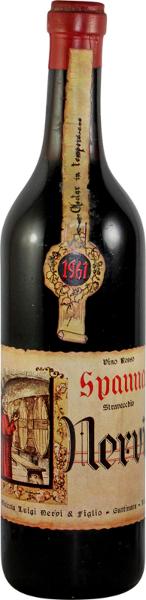
Spanna, 1961
Luigi Nervi
This Spanna from 1961 shows a deep garnet-red colour with brick-orange edges. The nose opens with dried cherries, …
£139.00
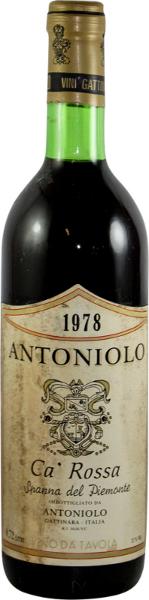
Spanna, 1978
Antoniolo - Cà Rossa
Spanna has often been cited by wine experts as one of Italy’s greatest ageing wines. Spanna’s longevity can be attributed, …
£99.00
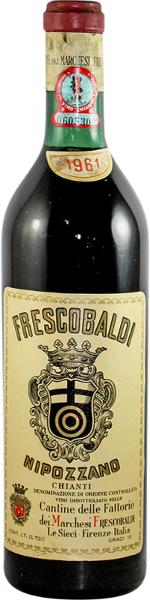
Chianti, 1961
Frescobaldi - Nipozzano
1961 Chianti – Frescobaldi Nipozzano
The 1961 vintage is regarded as one of the classic post-war years in Italy, …
£99.00
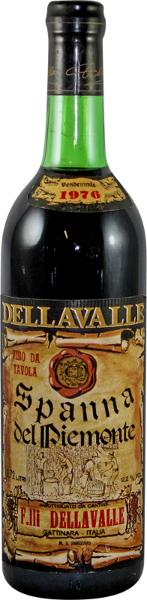
Spanna, 1976
Dellavalle
Spanna 1976 Dellavalle è un vino rosso storico dell’Alto Piemonte, prodotto dalla cantina Dellavalle. …
£99.00